
Community Education

Connecting people to nature and inspiring the next generation of environmental stewards.

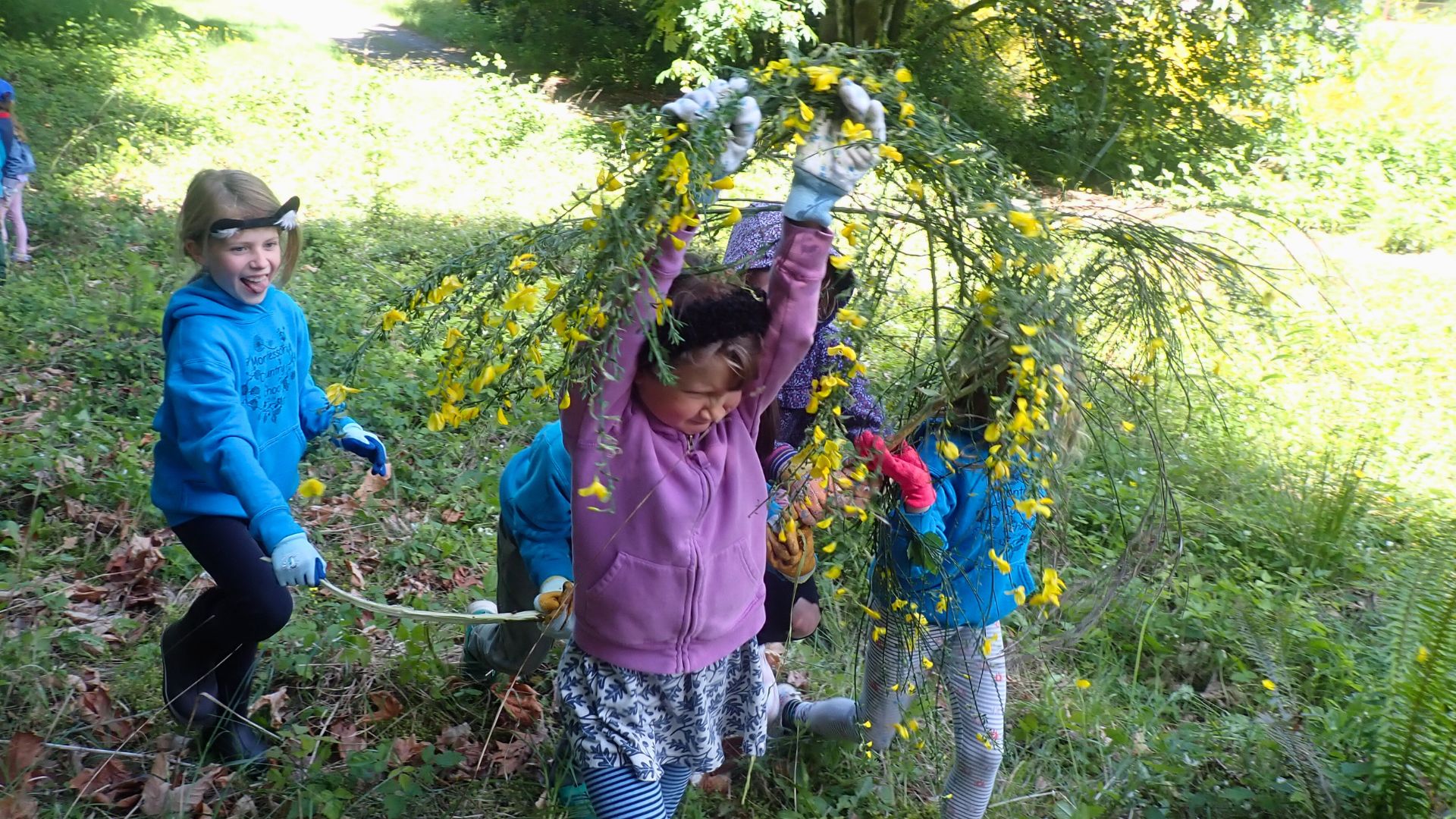
The Community Education program connects the community with the lands and waters that the Land Trust works to protect. Since its inception in 2023, the program has grown to offer a variety of hands-on educational experiences for all ages, from school field trips and classroom visits to guided walks and service learning opportunities. Whether restoring habitat, exploring a forest trail, or participating in community science, participants build both a sense of place and the practical skills needed to care for it.

Through partnerships, public events, and innovative programs like amphibian monitoring, bird acoustics, and trail camera research, this program creates meaningful opportunities for people to engage with conservation and stewardship efforts. We co-lead community gatherings like the Bainbridge Environmental Conference, present quarterly lectures for members, support regional efforts such as the City Nature Challenge, lead monthly guided walks on our preserves, manage a summer internship program, connect with neighbors at farmers markets and Earth Day celebrations, and more. At its heart, the program is about building lasting connections to the land and inspiring lifelong conservation leaders.

Community Science

  • Listen Up Collaborative: This project uses remote audio recording devices – AudioMoths – to record bird songs and see how the bird community changes as we restore forest habitats. Through this pioneering partnership, launched by Great Peninsula Conservancy and Jefferson Land Trust, community partners can better manage forests for fire and climate resilience and enhance habitat for bird conservation in Western Washington. This effort was featured in the New York Times’ 50 States, 50 Fixes series, chosen as Washington State’s innovative climate solution.
  • Amphibian Monitoring: Community Research on Amphibians of Kitsap (CROAK) is a collaborative community science effort  bringing together local organizations that care deeply about understanding and protecting amphibian populations and wetland ecosystems. Volunteers survey ponds & wetlands on Bainbridge Island to document frog & salamander populations, helping track ecosystem health over time and inform future conservation strategies.
  • Heron Monitoring: Visitors to the Winslow Heron Rookery report observations of the Great Blue Herons throughout the nesting season, helping us better understand their habitat use and behavior.
  • Wildlife Camera Photo Tagging: In support of the Seattle Urban Carnivore Project from Woodland Park Zoo, volunteers carefully review and tag photos from wildlife cameras to contribute to conservation research and strengthen our understanding of Washington’s wildlife populations.

Want to get involved?

Email Megan Rohrssen, Community Education Coordinator